TEFL / TESOL Blog

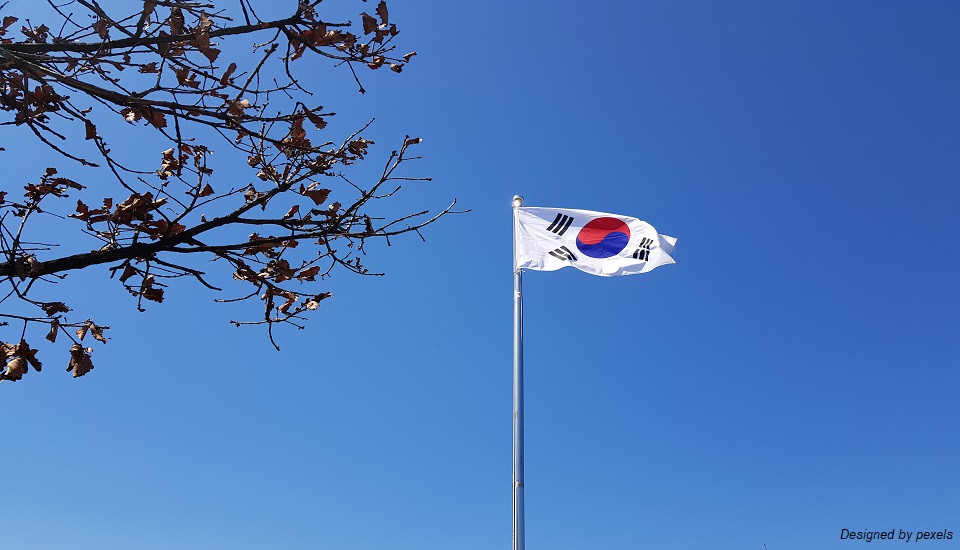
Teaching English in South Korea has become an increasingly popular option for many individuals looking to teach abroad, especially those exploring how to become an English teacher in South Korea from India. The country offers a unique blend of modernity and tradition, a high standard of living, and a strong demand for English teachers. Teaching in South Korea attracts educators worldwide due to its structured education system and attractive benefits. One of the most common ways to secure a teaching job in South Korea is through the English Program in Korea (EPIK), a government-backed initiative that places teachers in public schools across the country.
What Is The EPIK Program?
The EPIK program Korea, officially known as the English Program in Korea, is a recruitment initiative sponsored by the Korean Ministry of Education. The South Korea EPIK program hires more than 600 native English speakers from around the world each year to meet the growing demand for English instruction. Recruitment usually happens for spring and fall intakes.
The candidates selected through the EPIK Korea initiative work as assistant English teachers in public schools. They are expected to share their language expertise and cultural perspectives with Korean students. Teaching with EPIK differs from private academies or hagwons, as teachers work alongside a Korean co-teacher who assists with lesson planning, classroom management, and delivery.
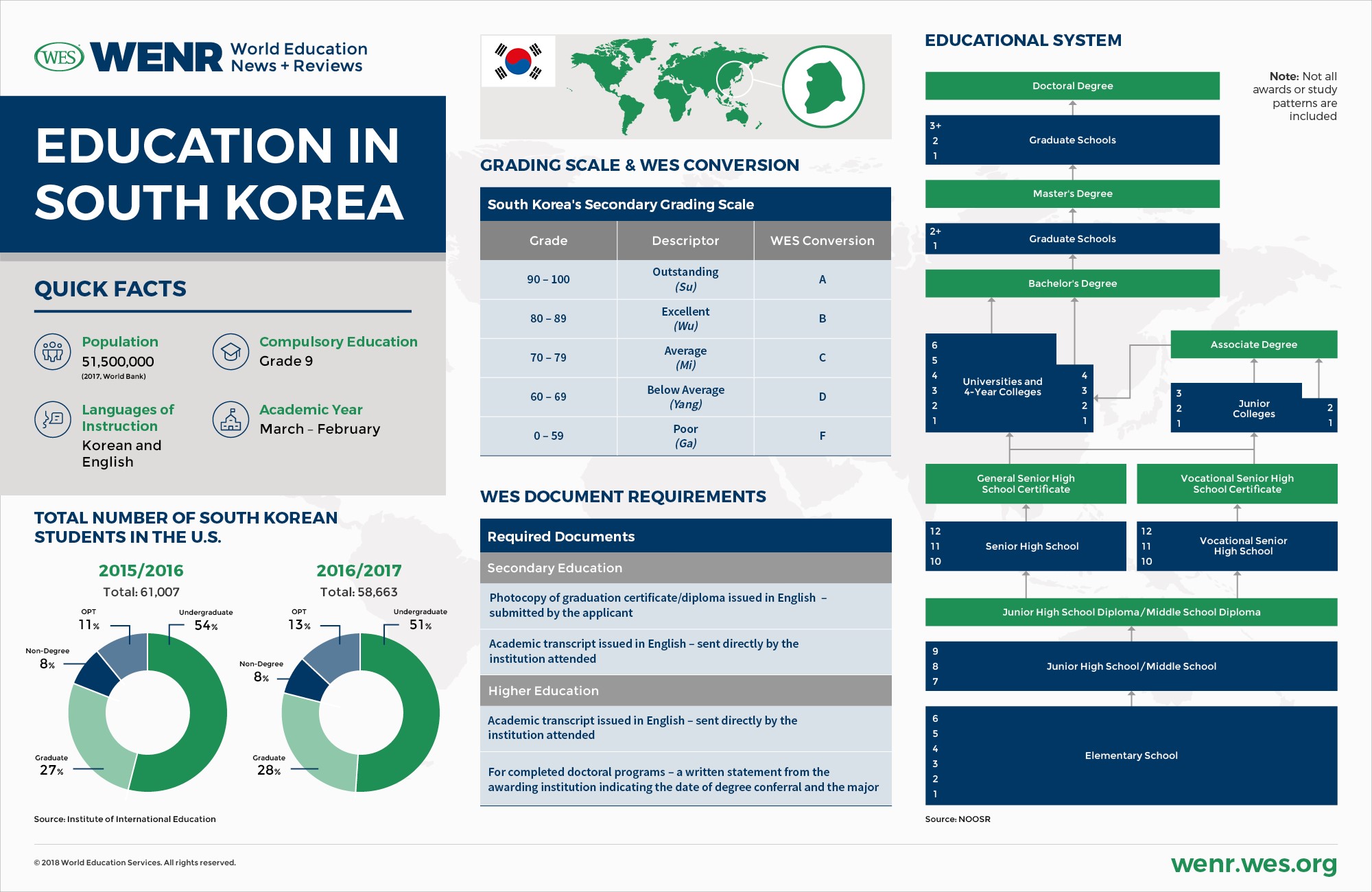
The candidates selected through this program work as assistant English teachers in public schools and are expected to share their knowledge expertise and culture with the Korean students. Teaching with EPIK differs from teaching in private schools or hagwons because here you have a co-teacher assisting you with lesson delivery, planning, and classroom management.
Requirements to Qualify for EPIK
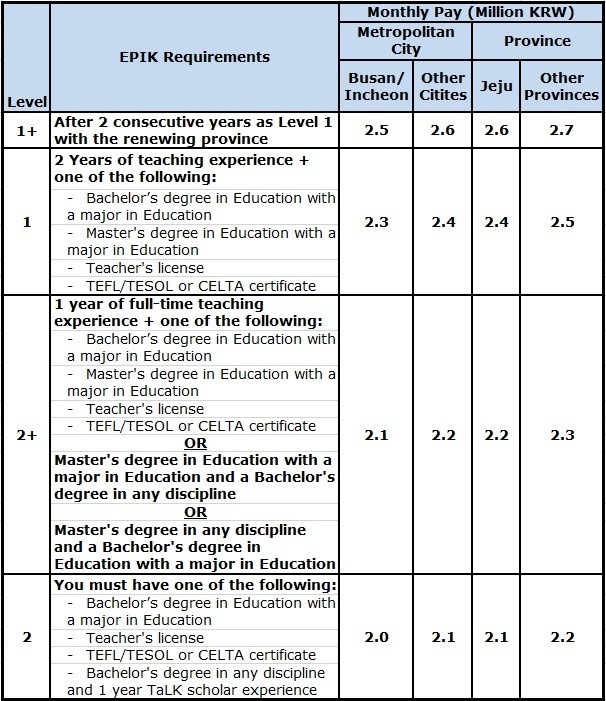
Understanding the EPIK program requirements is essential for those researching how to become a teacher in South Korea from India. Below are the commonly listed EPIK Korea requirements:
• Applicants must be citizens of Australia, Canada, Ireland, New Zealand, South Africa, the United Kingdom, or the United States, or demonstrate native-level English fluency.
• Must hold a bachelor’s degree from an accredited university.
• A minimum 100-hour TEFL/TESOL certification (waived for candidates with a Bachelor’s in Education or equivalent).
• Applicants must be between 21 and 62 years of age at the time of application.
• Must be in good physical and mental health, supported by a medical certificate.
• A criminal background check from the applicant’s home country is mandatory.
• English proficiency may need to be demonstrated through IELTS or TOEFL scores, especially for those exploring English teaching jobs in South Korea for non-native speakers.
These criteria are particularly relevant for candidates seeking teaching jobs in South Korea for Indian applicants.
Application Process for EPIK
The application process for EPIK typically involves the following steps:
1. Application Submission
Applicants submit an online application that includes personal information, academic background, work experience, letters of recommendation, a professional headshot, and a personal essay. This step is crucial for candidates targeting teaching jobs in South Korea for Indian educators.
2. Interview
After reviewing the application, selected candidates will be invited to an interview. The interview can be conducted in person or online.
3. Document Submission
If selected, candidates must submit several documents, including their degree certificate, transcripts, passport, and criminal background check.
4. Placement
After successful completion of all stages, applicants are placed in schools based on preferences, availability, and qualifications, leading to a confirmed teaching job in South Korea.
Teaching with EPIK: Is It Hard?
The South Korea EPIK program is competitive, making it essential to submit a complete and accurate application. While the process can be rigorous, teaching in South Korea through EPIK is considered a rewarding experience for educators seeking international exposure.
The program offers several benefits, including a competitive salary, cultural immersion, and professional development opportunities. Once accepted, individuals will be placed in a school based on their preferences and qualifications.
Benefits of Teaching with EPIK
Teaching with EPIK offers several benefits, including:
1. Competitive Salary
EPIK teachers receive a competitive salary that allows them to live comfortably in South Korea. The salary includes housing and airfare reimbursement.
2. Cultural Immersion
Teachers gain firsthand exposure to Korean traditions, language, and daily life, making teaching in South Korea a culturally enriching experience.
3. Professional Development
EPIK provides opportunities for professional development, including workshops, training sessions, and networking events.
4. Travel Opportunities
South Korea is located in a prime location for travel throughout Asia, and EPIK teachers have the opportunity to explore the region during their free time.
5. Job Security
EPIK provides job security for its teachers, with contracts typically lasting one year and the possibility of renewal.
6. Other Benefits
Along with the above-mentioned benefits you get a furnished apartment, health insurance, settlement pay after reaching Korea, flight reimbursement, a contract completion bonus, and a contract renewal bonus.
Tips for Teaching with EPIK
If you are exploring how to become an English teacher in South Korea from India, the following tips can help you succeed:
South Korea has a unique culture, and it is important to be prepared for the differences you may encounter.
Teaching in a foreign country can be challenging, and it is important to be flexible and adaptable to new situations.
As the demand for qualified teachers continues to grow, especially for English teaching jobs in South Korea for non-native speakers, staying professionally updated is crucial. Upskilling can improve career progression and earning potential.
Teach In South Korea With EPIK
Now that you know the ins and outs of the EPIK program you can be one of those hundreds of teachers who get hired for teaching in South Korea. For these programs, you can either apply through recruiters or directly at their official website. So what are you waiting for? Grab your TEFL certificate and get ready for a lifetime adventure to start with a brand-new career abroad.
Frequently Asked Questions (FAQs)
1. How to become an English teacher in South Korea from India?
Indian candidates must meet EPIK program requirements, including a bachelor’s degree, TEFL/TESOL certification, and English proficiency.
2. What is the EPIK program in Korea?
The EPIK program Korea is a government-sponsored initiative that places English teachers in South Korean public schools.
3. Are teaching jobs in South Korea available for Indian teachers?
Yes, teaching jobs in South Korea for Indian applicants are possible if eligibility criteria and documentation requirements are met.
4. What are the EPIK Korea requirements?
EPIK program requirements include nationality or native-level fluency, a degree, TEFL/TESOL certification, health clearance, and background checks.
5. Is EPIK suitable for non-native English speakers?
Yes, English teaching jobs in South Korea for non-native speakers are possible if candidates demonstrate high English proficiency.
6. How competitive is the South Korea EPIK program?
The South Korea EPIK program is competitive, so submitting a complete and well-prepared application is essential.
7. What salary can EPIK teachers expect?
EPIK teachers receive a competitive salary along with benefits such as housing, airfare reimbursement, and bonuses.
8. Is teaching in South Korea a good career move?
Teaching in South Korea offers international experience, professional development, cultural exposure, and job stability.