TEFL / TESOL Blog


Over the last decade, India has strengthened its position as a significant player in global teacher education and English-language training. According to global market research, the English Language Training (ELT) market was valued at USD 78.17 billion in 2024 and is expected to reach USD 181.67 billion by 2034, growing at a CAGR of 8.1% between 2025 and 2034.
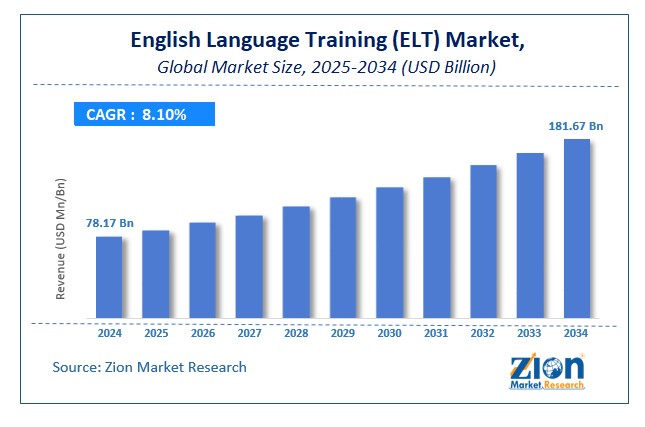
This rapid expansion reflects a worldwide surge in demand for trained English teachers, especially those with TEFL (Teaching English as a Foreign Language) certification. Reports by UNESCO and the British Council further affirm India’s rising prominence as an English-speaking nation with strong teaching infrastructure, a vibrant EdTech ecosystem, and an expanding pool of internationally mobile educators.
As global opportunities multiply, India has become a preferred TEFL training hub, offering internationally recognized courses, expert trainers, cultural diversity, real teaching exposure, and unparalleled affordability.
Let's dive deep into what makes India a preferred choice for TEFL aspirants worldwide.
10 Top Reasons Why India Is Emerging as the World’s Preferred TEFL Training Destination
India offers a unique blend of affordability, global teaching standards, cultural diversity, and strong placement pathways, making it increasingly attractive for TEFL aspirants worldwide. These nine key factors highlight why trainees from around the globe now choose India for their TEFL certification.
1. India’s Strong Foundation in English Education
India has one of the largest English-speaking populations worldwide, with English deeply rooted in its education system, corporate sector, and public administration. This provides a unique learning context for TEFL trainees because they experience English not as a foreign language, but as a functional language within a multilingual nation.
What this means for TEFL aspirants:
This foundation makes India an excellent training ground for future ESL teachers.
2. Affordable, High-Quality TEFL Certification Options
One of India's biggest advantages is its combination of affordability and quality. Compared to Western countries, the cost of TEFL certification courses like TEFL Diploma Course Online in India is significantly lower, yet the curriculum, accreditation, and training quality remain top-tier.
Benefits include:
This makes TEFL training in India attractive to both domestic and international trainees.
3. Asia’s Growing Demand for TEFL Teachers
Asia continues to dominate the global hiring market for ESL teachers. Countries such as Japan, Vietnam, Thailand, China, and South Korea recruit thousands of TEFL-certified teachers every year.
Why India is well-positioned:
This regional demand strengthens India’s role as a TEFL training hub.
4. Growth of Online Teacher Training Courses in India
India’s EdTech revolution has reshaped teacher training, making internationally recognized TEFL certification accessible to learners nationwide. This digital transformation is supported by improved internet penetration, a tech-savvy workforce, and the rise of virtual learning platforms.
Key online formats gaining popularity:
• Fully online TEFL certification: TEFL Diploma Course Online like programs, provide theoretical modules, recorded lessons, and teaching demonstrations that can be completed at a flexible pace.
• Virtual teaching practicums: Trainees now practice teaching English to real learners in virtual classrooms, gaining hands-on experience without geographic limitations.
• Live webinars and interactive masterclasses: Sessions led by international trainers expose learners to global teaching techniques, methodology updates, and real-world case studies.
• Hybrid learning models: Combining online theory with optional in-person workshops, hybrid programs offer flexibility without compromising practical skill development.
Why this matters:
Working professionals, college students, and homemakers can now upskill without taking a career break or relocating. This accessibility has dramatically increased TEFL enrollment numbers across India.
5. Expert Faculty and Internationally Benchmarked Curriculum
A major reason behind India’s growing TEFL reputation is the quality of training offered by experienced educators and international faculty.
Faculty Expertise Typically Includes:
These experts ensure trainees receive accurate, practical, and updated knowledge.
Curriculum Standards Aligned with Global Best Practices:
Most TEFL courses in India integrate frameworks and methodologies recognized worldwide:
This global alignment ensures TEFL graduates leave with the confidence to work in any international classroom setting.
6. India’s Multilingual, Multicultural Setting Provides Rich Teaching Insight
India is one of the most linguistically diverse nations on earth, with over 19,000 languages and dialects and hundreds of cultural communities coexisting. For TEFL trainees, this environment becomes a living classroom.
How India’s diversity sharpens teaching competence:
• Understanding multilingual learning barriers: Trainees encounter learners who speak multiple languages, helping them analyze how mother tongues influence English learning, a key insight for ESL teaching.
• Adapting instruction for mixed-ability group: Real TEFL classrooms across Asia often consist of students with different proficiency levels. India prepares teachers for these scenarios naturally.
• Exposure to global communication styles: India’s multicultural cities expose trainees to various accents, expressions, and cultural norms, an asset for working in international schools.
• Developing culturally responsive teaching strategies: In India, educators learn to balance cultural sensitivity with effective pedagogy, a skill essential for any TEFL teacher abroad.
This exposure builds resilience, adaptability, and cultural intelligence, hallmarks of successful ESL educators.
7. Placement Support and Global Recruitment Networks
TEFL institutes in India are well-connected with international hiring partners, making the transition from training to employment much smoother.
Placement pathways typically include:
• East and Southeast Asian Schools: Japan, Vietnam, Thailand, South Korea, Taiwan, and China regularly hire TEFL graduates from India through partner institutions.
• Middle Eastern Schools: Countries such as the UAE, Saudi Arabia, Qatar, and Oman frequently seek English trainers and teaching assistants.
• International Schools within India: With the growth of IB, Cambridge, and international private schools, TEFL graduates also find roles within India’s expanding global education sector.
• Online ESL Platforms: Trainees can start earning immediately by teaching students from China, Europe, and Latin America.
• Corporate and Adult Language Training: Many multinational companies in India require business English trainers.
This support network gives TEFL graduates multiple pathways, local, regional, and global, to begin their teaching careers.
8. India Appeals Strongly to International Students Seeking Cultural Immersion
TEFL trainees from Europe, the Middle East, Southeast Asia, and North America choose India for both affordability and cultural enrichment.
Factors that attract international TEFL learners:
• Cultural richness: India’s traditions, festivals, cuisines, and philosophies make it a fascinating place to live and learn.
• A welcoming learning environment: Indian training centers are known for their hospitality and supportive academic environments.
• Low cost of living: Affordable travel, food, and accommodation make India budget-friendly for international trainees.
• Opportunities for volunteer teaching: Trainees can teach in community schools or NGOs, gaining real experience while making meaningful contributions.
This blend of affordability and immersive cultural experience makes India a memorable TEFL training destination.
9. Alignment With Global Career Paths
TEFL certification in India opens up versatile career opportunities, not just abroad but also within India’s growing education and EdTech ecosystem.
Career pathways include:
Why versatility matters:
With the ELT market projected to hit almost USD 181.67 billion by 2034, English teachers with TEFL certification will have strong job security and global mobility.
10. TEFL as a Pathway to Becoming an English Teacher in India
For Indian aspirants curious about how to become an English teacher in India, TEFL certification provides essential pedagogical skills needed in today’s competitive education market.
How TEFL helps:
As India’s ELT sector expands in alignment with global trends, TEFL offers a strong foundation for long-term career growth.
Final Thoughts
India’s emergence as a TEFL training hub is driven by its strong English-speaking foundation, cost-effective training, multicultural learning environment, expert trainers, and expanding digital education landscape. Today, more learners explore online teacher training courses in India, like TEFL Diploma Course Online, and research how to become an English teacher in India, making the country a preferred destination for TEFL aspirants seeking global careers.
Frequently Asked Questions (FAQs)
1. Why is India becoming popular for TEFL training?
India offers affordable, high-quality TEFL programs, expert trainers, multicultural learning environments, and strong placement networks across Asia and the Middle East.
2. Are TEFL certifications from India recognized internationally?
Yes. Most TEFL programs in India follow international TESOL/TEFL standards and are accepted by schools and ESL institutes worldwide.
3. Can I get TEFL certified through online teacher training courses in India?
Absolutely. India’s EdTech growth has made online TEFL certification widely accessible, with flexible formats suitable for working professionals.
4. Does TEFL help me become an English teacher in India?
Yes. TEFL certification strengthens your teaching methodology and increases employability in private schools, language institutes, and online tutoring platforms.
5. Is India a good option for international students seeking TEFL training?
Yes. Low costs, cultural immersion, and highly experienced trainers attract learners from Asia, the Middle East, Europe, and North America.
6. What job opportunities do TEFL graduates from India get?
Graduates can work in international schools, Asian ESL centers, online tutoring, IELTS coaching, corporate training, and volunteer teaching programs.
7. How does India compare to Western countries for TEFL training?
India offers equally high-quality training at a fraction of the cost, with the added advantage of multicultural classroom exposure and strong regional placement ties.
8. Why is the ELT market creating more TEFL opportunities?
The global English Language Training market is projected to reach USD 181.67 billion by 2034, increasing worldwide demand for certified ESL teachers.
9. Do TEFL institutes in India provide placement assistance?
Yes. Many institutes partner with schools across Thailand, Vietnam, Japan, South Korea, and the Middle East, as well as online teaching companies.
10. Is TEFL certification enough to start teaching abroad?
For many countries, yes. TEFL certification is often the minimum requirement to teach English in Asia, especially if paired with a bachelor’s degree.