TEFL / TESOL Blog

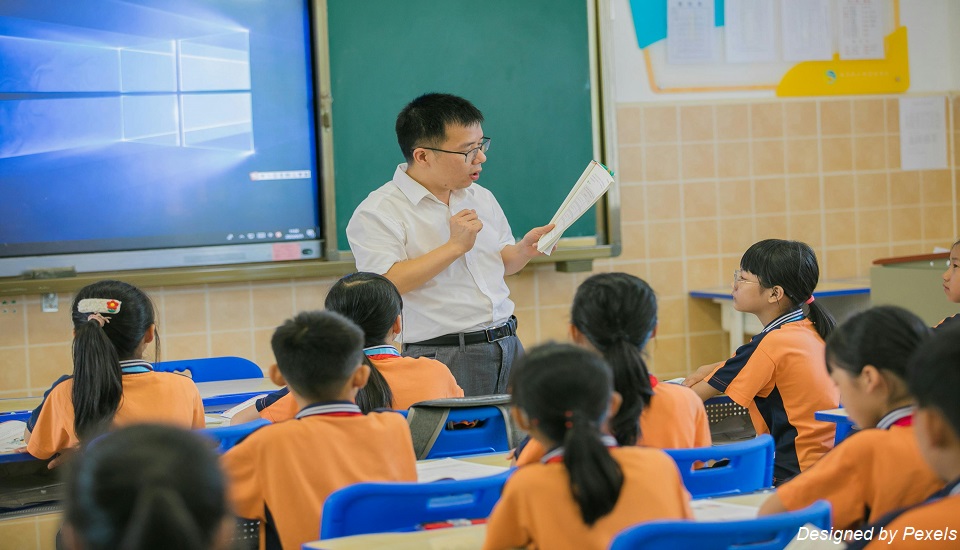
Teaching English abroad is one of the most rewarding career paths many educators pursue, and nowhere is the opportunity greater than in Asia’s fastest-growing education hubs. The Four Asian Tigers: Hong Kong, Singapore, South Korea, and Taiwan, are vibrant, economically strong regions with significant demand for English language instruction.
Many teachers build their foundational skills with TEFL certification programs before expanding their careers into these dynamic markets. With the right preparation, cultural insight, and professional qualifications like a TEFL certification course in Thailand and other Asian countries, you can thrive both inside and outside the classroom in these competitive yet rewarding regions.
In this blog, we'll explore practical strategies and insider tips to help you succeed in teaching English across the Four Asian Tigers, from classroom expectations and cultural nuances to career-growth opportunities.
Who Are the Four Asian Tigers and Why Do They Matter for English Teachers?
The term Four Asian Tigers refers to South Korea, Singapore, Hong Kong, and Taiwan, four economies that experienced rapid industrial growth and global expansion during the late 20th century. Today, they are known for strong financial systems, high living standards, and major investment in education.
For English teachers, these regions stand out because English proficiency plays a central role in business, higher education, and international communication. As a result, schools actively recruit qualified ESL educators who can deliver structured, high-quality instruction within academically demanding environments.
Why the Four Asian Tigers Attract ESL Teachers
These four regions are known for:
Unlike some entry-level markets, schools in these regions expect structured lesson delivery, professionalism, and measurable outcomes. Preparation is key.
Teaching English in the Four Asian Tigers: Country Breakdown
1. South Korea
South Korea remains one of the most popular ESL destinations in Asia due to structured government programs and strong benefits packages.
Basic Requirements
Approx. Monthly Salary
Approx. KRW 2,600,000–KRW 2,700,000
(around Pound 1,390 / USD 1,830)
Common Benefits
Key Locations
Seoul, Busan, Incheon
South Korea is ideal for teachers seeking structured programs and strong financial stability.
2. Singapore
Singapore offers a highly professional and academically rigorous teaching environment.
Basic Requirements
Approx. Monthly Salary
Approx. SGD 3,500–6,000
(around Pound2,000–Pound3,400 / USD2,600–USD4,400)
Common Benefits
Key Locations
Central Singapore districts
Singapore is competitive but rewarding for experienced teachers aiming for career advancement.
3. Hong Kong
Hong Kong blends Western and Eastern education influences and maintains high expectations for English proficiency.
Basic Requirements
Approx. Monthly Salary
Approx. HKD 20,000–30,000
(around Pound2,000–Pound3,000 / USD2,500–USD3,800)
Common Benefits
Key Locations
Hong Kong Island, Kowloon, New Territories
Government schemes and international schools offer particularly strong packages.
4. Taiwan
Taiwan continues to expand its English education sector, creating steady demand for qualified teachers.
Basic Requirements
Approx. Monthly Salary
Approx. NTUSD55,000–70,000
(around Pound1,350–Pound1,700 / USD1,700–USD2,200)
Common Benefits
Key Locations
Taipei, Taichung, Kaohsiung
Taiwan is ideal for teachers seeking a balance between professional growth and quality of life.
Teaching English in the Four Asian Tigers – Comparison Overview
|
Country |
Basic Requirements |
Approx. Monthly Salary |
Common Benefits |
Key Teaching Locations |
|
South Korea |
Bachelor’s degree (any discipline), minimum 120-hour TEFL certificate, eligible for E-2 visa, experience preferred |
Approx. KRW 2,600,000–KRW 2,700,000 (Pound 1,390 / USD 1,830) |
Free accommodation, contract completion bonus, return flights, national health insurance, visa sponsorship, approx. 18–30 days paid leave |
Seoul, Busan, Incheon |
|
Singapore |
Bachelor’s degree, TEFL certification preferred, prior teaching experience often required, strong English proficiency |
Approx. SGD 3,500–6,000 (Pound 2,000–Pound 3,400 / USD 2,600–USD 4,400) |
Medical coverage, performance bonuses, paid leave, professional development opportunities |
Central Singapore districts |
|
Hong Kong |
Bachelor’s degree, TEFL certificate, classroom experience preferred; government programs may require a formal teaching qualification |
Approx. HKD 20,000–30,000 (Pound2,000–Pound 3,000 / USD 2,500–USD 3,800) |
Housing allowance, contract-end gratuity, flight reimbursement, health coverage, paid leave |
Hong Kong Island, Kowloon, New Territories |
|
Taiwan |
Bachelor’s degree, TEFL certification, eligible for work visa, experience preferred but not always mandatory |
Approx. NTUSD 55,000–70,000 (Pound 1,350–Pound 1,700 / USD 1,700–USD 2,200) |
Housing assistance, visa sponsorship, health insurance, performance bonuses, and public holidays |
Taipei, Taichung, Kaohsiung |
How to Position Yourself for Success
Positioning yourself for success means combining the right qualifications, practical teaching experience, and cultural awareness to stand out in competitive ESL markets.
Let’s get to know how you can position yourself for a successful TEFL teaching journey:
1. Start with Solid TEFL Training
Many successful teachers begin in Southeast Asia before transitioning to more competitive markets. Completing an TEFL in-class course in Bangkok or for other Asian region provides practical experience in real classrooms.
A structured TEFL course, builds confidence and teaching skills, something employers in South Korea, Hong Kong, and Singapore value highly.
2. Gain Practical Classroom Experience
Hands-on teaching experience is critical. Many educators begin with English Language Teaching Thailand course, where classroom sizes, diverse learners, and real teaching challenges prepare them for larger ESL markets.
3. Understand Cultural Expectations
Success in these regions requires cultural sensitivity.
Cultural awareness often determines long-term retention and career progression.
4. Focus on Long-Term Career Growth
Teaching English abroad is not just a short-term adventure. With experience, teachers can:
Strategic preparation leads to meaningful Career growth after pursuing an accredited TEFL course, especially when paired with experience in competitive Asian markets.
Final Thoughts
Succeeding in the Four Asian Tigers requires more than just enthusiasm, it requires preparation, certification, and practical classroom skill. Many educators build their foundation through a globally recognized TEFL certification course, before expanding into markets like South Korea, Hong Kong, Singapore, and Taiwan. With strong training, real classroom exposure, and a clear growth strategy, teachers can secure rewarding opportunities and unlock sustained career growth across Asia’s most dynamic education systems.
Frequently Asked Questions (FAQ)
1. What are the Four Asian Tigers in ESL teaching?
The Four Asian Tigers refer to South Korea, Singapore, Hong Kong, and Taiwan, high-performing economies with strong demand for qualified English teachers.
2. Which Asian Tiger pays the highest salary for English teachers?
Singapore and Hong Kong generally offer higher salary ranges, while South Korea provides strong benefits like housing and flights.
3. Do I need a TEFL certificate to teach in the Four Asian Tigers?
Yes, most employers require at least a 120-hour TEFL certificate along with a bachelor’s degree.
4. Is teaching experience required?
Experience is preferred in most regions, especially Singapore and Hong Kong, though entry-level opportunities exist in South Korea and Taiwan.
5. Which country is best for beginners?
South Korea and Taiwan are often more accessible for newly certified teachers due to structured programs and clear visa processes.
6. Are benefits included in ESL contracts?
In South Korea, benefits often include housing and flights. In Singapore and Hong Kong, benefits vary by employer.
7. Can I move to another Asian country after teaching in Thailand?
Yes. Many teachers gain classroom experience in Thailand before transitioning to more competitive markets.
8. Is it easy to get a work visa?
Visa processes are structured but require proper documentation, qualifications, and employer sponsorship.