TEFL / TESOL Blog

Teaching in a modern international classroom today offers far more than just a change of location. It brings the opportunity to work with diverse learners, earn competitive salaries, and gain valuable global exposure, while continuing a profession you are passionate about. For Indian educators, overseas teaching is no longer restricted to a handful of destinations or elite institutions. Schools across the world are actively looking for skilled, adaptable, and professionally trained teachers from India.
From international schools and language academies to public education systems and online learning platforms, the scope is broad and expanding. In fact, teaching jobs abroad for Indian teachers have emerged as one of the most reliable and rewarding global career pathways in education. So what’s driving this shift, and is teaching abroad the right move for you?
Let's explore further.
1. Strong and Consistent Global Demand for Indian Educators
Indian educators are widely recognised for their subject knowledge, adaptability, and experience teaching diverse classrooms. Many international schools value teachers who are trained in structured education systems and can manage classrooms effectively while maintaining academic rigour.
In countries where English is taught as a second language, Indian teachers are preferred because they understand both native and non-native learner challenges. This demand is not seasonal, it is ongoing, making overseas teaching a stable long-term option rather than a short-term experiment.
2. Better Financial Growth Compared to Local Teaching Roles
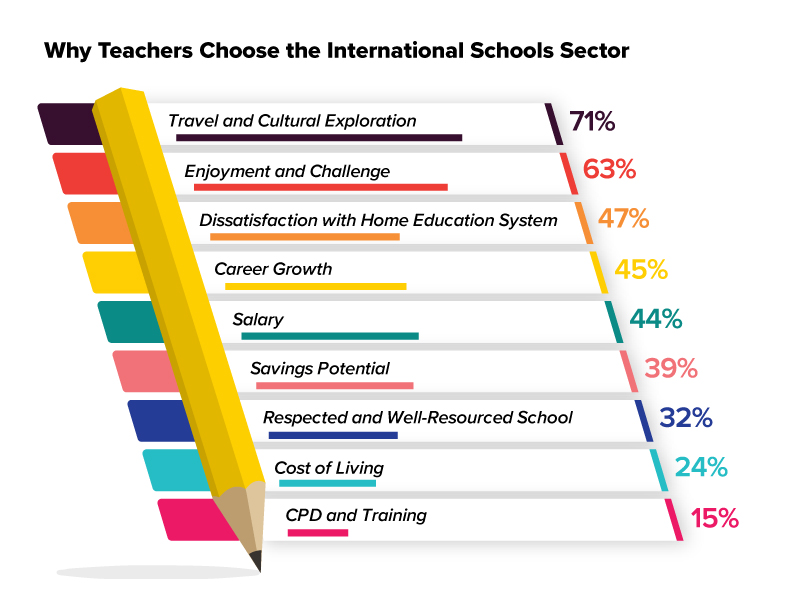
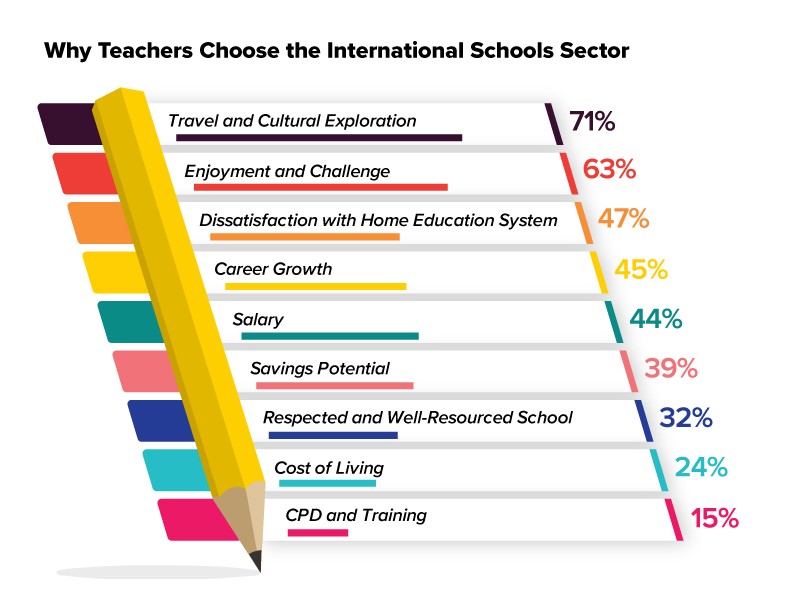
Teaching abroad often offers better financial prospects than equivalent roles in India. Salaries are usually higher, and in several countries, educators receive additional benefits such as accommodation support, medical insurance, paid annual leave, and travel allowances.
In some regions, teachers also enjoy tax-free income or lower taxation, allowing them to save more without compromising on lifestyle. Over time, this financial stability helps educators invest in further education, family responsibilities, or long-term goals.
3. Exposure to International Curriculum and Teaching Practices
One of the biggest advantages of teaching overseas is exposure to globally recognised curricula such as IB, Cambridge, British, or American systems. These curricula emphasise student-centred learning, inquiry-based instruction, and critical thinking.
Working within such frameworks enhances an educator’s teaching approach, making them more versatile and globally employable. This experience also strengthens professional credibility, especially for teachers who later aim for leadership or academic coordination roles.
4. Faster Career Progression and Professional Recognition
In many international schools, performance-based growth is encouraged. Educators who demonstrate strong teaching skills, adaptability, and commitment often find quicker opportunities for promotions, grade leadership, or coordinator roles.
Unlike rigid systems, overseas institutions usually prioritise skill and experience over tenure alone. This allows Indian educators to grow faster professionally and gain recognition for their capabilities in a shorter time frame.
5. Development of Global Skills Beyond Teaching
Teaching abroad goes beyond lesson planning and classroom delivery. Educators develop essential global skills such as cross-cultural communication, adaptability, problem-solving, and independence.
Living in a different country builds confidence and resilience, helping teachers become more self-reliant and globally aware. These skills not only enhance professional performance but also contribute significantly to personal growth.
6. Indian English Teachers Are Highly Valued Worldwide
With English being the primary medium of instruction in many countries, Indian English teachers abroad are in high demand. Schools value educators who can teach English clearly, understand learner difficulties, and adapt lessons for multilingual classrooms.
Indian teachers are often preferred for their neutral accent, clarity in explanation, and experience working with ESL learners. This makes them ideal candidates for both school and language institute roles.
7. Teaching Abroad Is More Accessible Than Many Assume
A common misconception is that teaching overseas requires extraordinary credentials or years of international experience. In reality, most schools look for recognised teaching qualifications, practical training, and a willingness to adapt.
With proper preparation, certification, and understanding of international expectations, educators at different stages of their careers, freshers or experienced teachers—can successfully transition to overseas roles.
Final Thoughts
Teaching abroad is no longer a risky or uncertain choice, it is a strategic career decision backed by global demand, professional growth, and long-term stability. Whether you are a fresher or an experienced educator, exploring teaching English in abroad and international teaching roles offers a future-ready pathway with meaningful personal and professional rewards.
Frequently Asked Questions (FAQs)
1. Why are teaching jobs abroad popular among Indian educators?
Indian teachers are valued globally for their subject knowledge, English proficiency, and classroom management skills, making them strong candidates for overseas roles.
2. Is teaching abroad suitable for freshers?
Yes. With the right teaching qualification and preparation, fresh graduates can find entry-level teaching roles in international schools and language institutes.
3. Which countries hire Indian teachers the most?
Popular destinations include Thailand, Vietnam, the UAE, China, Singapore, and parts of Europe, depending on subject expertise and qualifications.
4. Do teaching jobs abroad pay well?
Many overseas teaching roles offer competitive salaries, accommodation support, health benefits, and paid holidays, often leading to better savings.
5. What qualifications are needed to teach abroad?
Most schools require a recognised teaching qualification, subject expertise, and sometimes prior teaching experience, depending on the role and country.
6. Is teaching English abroad a good long-term career option?
Yes. Teaching English abroad provides global exposure, transferable skills, and opportunities for career progression into leadership or specialised roles.
7. Are Indian English teachers in demand overseas?
Yes. Indian English teachers are in demand due to their clarity, experience with ESL learners, and familiarity with international teaching methods.
8. Can teaching abroad improve career growth back in India?
Absolutely. International teaching experience enhances professional credibility and opens doors to senior roles when returning to India.