TEFL / TESOL Blog

Online learning has changed the way people gain new skills. You can attend a class from your bedroom, study after work, and complete assignments without travelling anywhere. For many learners, that flexibility is exactly what they need.
But learning how to teach English is slightly different.
Imagine reading about classroom management on your laptop. Now imagine standing in front of a group while one learner keeps interrupting, another looks confused, and someone at the back has stopped paying attention.
The theory may be the same. The experience is not.
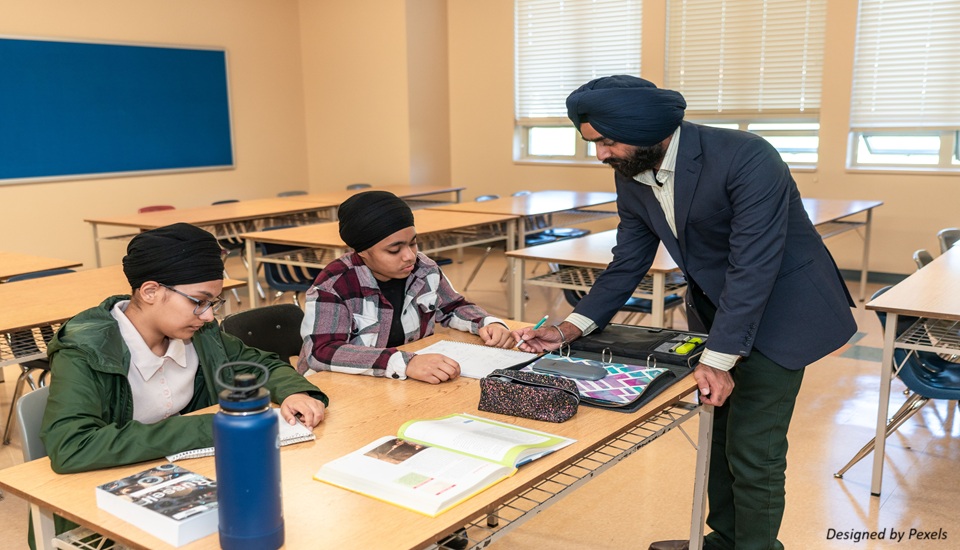
This is one reason aspiring English teachers may consider Internationally Accredited TEFL Courses in Chandigarh that include face-to-face learning. For learners who want to practise teaching before stepping into a real classroom, being physically present can add a valuable layer to their preparation.
Teaching Is a Skill You Have to Practise
Knowing English and teaching English are two different abilities. A person may understand grammar perfectly but struggle to explain it in simple words. Another may have excellent pronunciation but feel nervous speaking in front of a class.
Teaching involves much more than subject knowledge.
You need to give clear instructions. You need to notice when learners are confused. You need to adjust an activity when it is not working. You also need to manage time, encourage participation, and communicate with different personalities.
These skills become easier to understand when you can practise them. In an in-class TEFL setting, trainees can experience what it feels like to stand up, explain an activity, answer unexpected questions, and respond to feedback. That experience can make the learning process feel more real.
The First Lesson Can Feel Awkward
Almost every new teacher has a first lesson. Your hands may feel stiff. You may speak too quickly. The activity you expected to take 15 minutes could finish in five. A question from a learner might completely throw you off.
That awkwardness is normal. In-class training gives aspiring teachers a place to experience some of those moments before their professional teaching journey begins.
Making a mistake during training can actually be useful. It gives you the chance to understand what went wrong, receive feedback, and try again.
The goal is not to look like an experienced teacher on day one. The goal is to become more comfortable with the process of teaching.
Immediate Feedback Can Change How You Teach
When learning online, feedback may sometimes come after an assignment or activity has been submitted. In a physical classroom, feedback can feel more immediate.
A trainer may notice that your instructions are too long. They may point out that you are speaking more than your learners. They may suggest a better way to organise an activity or encourage quieter participants.
Small observations like these can make a big difference.
You also learn by watching other trainees. Someone may explain vocabulary in a way you had never considered. Another trainee may handle a difficult question calmly. You may even notice a mistake someone else makes and realise you do the same thing.
Learning becomes shared rather than isolated.
Classroom Confidence Is Built in a Classroom
Confidence is difficult to gain from theory alone.
You can read ten articles about public speaking and still feel nervous when you stand in front of a group. Teaching confidence works in a similar way. It grows through repetition. You explain. You practise. You receive feedback. You improve. Then you do it again.
For aspiring educators exploring TEFL in-class courses in Chandigarh, this repeated interaction can be one of the strongest reasons to choose classroom-based training.
It allows learners to become familiar with the physical side of teaching too. Where should you stand? How do you move around the room? How do you make eye contact without focusing on only one learner?
These may sound like small details. Inside a classroom, they matter.
Classroom Management Makes More Sense When People Are in the Room
“Manage the classroom effectively” sounds simple when written in a textbook.
But what does it actually mean?
It could mean dealing with two learners who keep talking. It might involve bringing attention back to an activity that has lost energy. It may mean encouraging a shy learner without making them uncomfortable.
These situations involve judgement.
Here are a few areas that face-to-face practice can help trainees explore:
Practising these skills with real people can make classroom management easier to understand.
What Should You Look for in an In-Class TEFL Course?
Being taught in a physical classroom does not automatically make a course suitable.
The quality and structure of the programme still matter.
Before enrolling, aspiring teachers should consider several factors:
Do not choose a course simply because it is nearby or convenient.
Ask what you will actually be able to do by the end of it.
Bottom Line
Choosing between online and in-class TEFL training is not really about choosing between modern and traditional learning. It is about understanding how you learn best and what kind of preparation you need before entering a classroom. For aspiring teachers who value live interaction, immediate feedback, peer learning, and regular teaching practice, Internationally Accredited TEFL Courses in Chandigarh with an in-class format can offer a more hands-on route into the profession. The couch may be convenient, but for some future teachers, the classroom is exactly where confidence begins.